

Cart
0
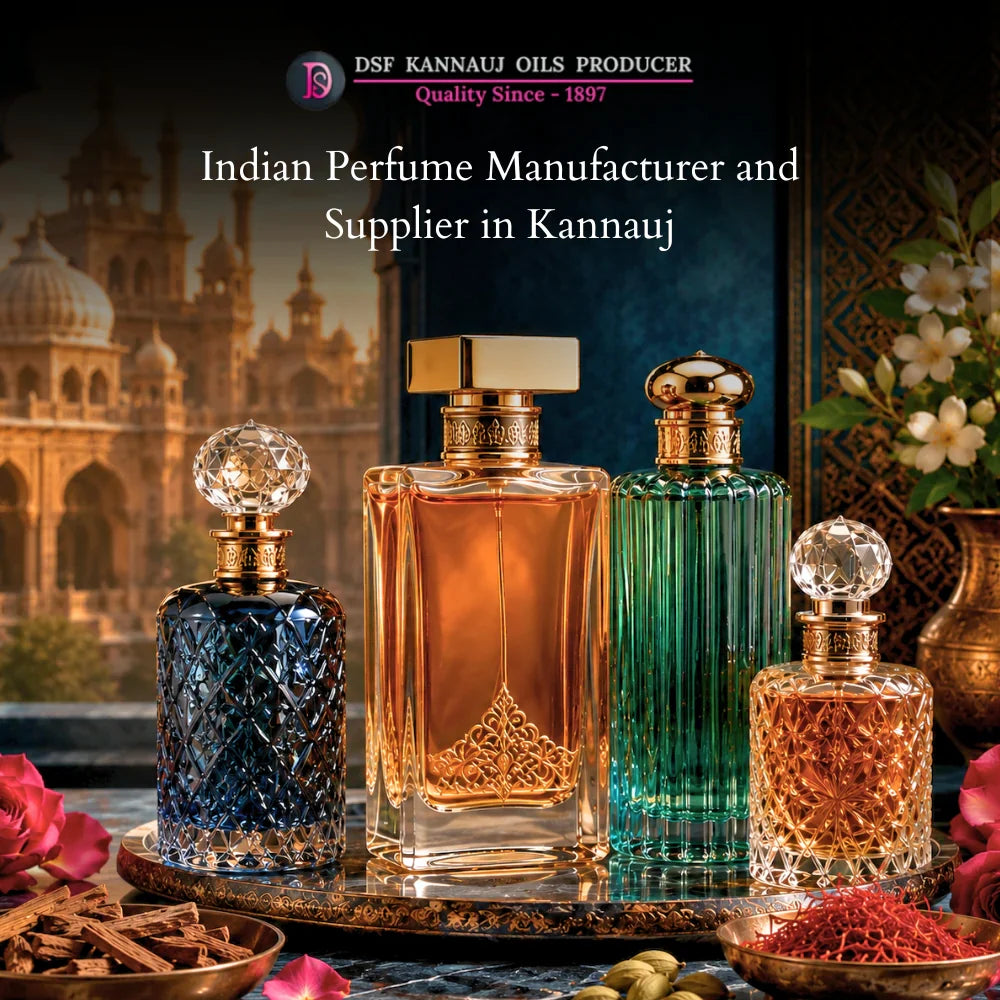
Indian Perfume Manufacturer and Supplier in Kannauj
Indian Perfume Manufacturer and Supplier in Kannauj, if you have ever wondered where India's finest attars and natural perfumes actually come from, the answer almost always leads back to one small city on the banks of the Ganga, Kannauj, Uttar Pradesh. Long before "essential oils" became a wellness buzzword, the perfumers of Kannauj were distilling flowers, roots, and wood into fragrance using techniques passed down over centuries. Today, the city is home to hundreds of small distilleries and a handful of established manufacturers who still practice this craft at scale, supplying attars, ittars, and natural fragrance oils to buyers across India and abroad.
This blog looks at what makes Kannauj special, how a genuine Indian perfume manufacturer and supplier in Kannauj actually works, and what to check before you buy or source in bulk.

Why Kannauj Is Called the Perfume Capital of India
Kannauj's reputation isn't a marketing invention. The city has been perfuming India for well over a thousand years, and its rose fields, cool river-adjacent climate, and generations of trained perfumers created the ideal conditions for the deg-bhapka method a traditional hydro-distillation process where flowers or wood are boiled in copper vessels and the vapors are condensed directly into a sandalwood oil base, rather than water. This is what gives a genuine Kannauj attar its depth, its skin-warmth, and its long-lasting character compared to alcohol-based Western perfumes.
The city's contribution to Indian perfumery is now formally recognized. Kannauj attar carries a Geographical Indication (GI) tag from the Government of India, a legal recognition that protects the name "Kannauj Attar" the same way "Darjeeling Tea" or "Champagne" are protected — meaning it can only be used for attar genuinely produced in this region using traditional methods. For a buyer, that GI tag is one of the simplest ways to separate authentic Kannauj perfumery from imitation products sold elsewhere under the same name.
Attar vs. Alcohol-Based Perfume: Key Differences
Attar and alcohol-based perfumes are both popular fragrance choices, but they differ in their ingredients, application, longevity, and overall scent experience.
|
Aspect |
Attar |
Alcohol-Based Perfume |
|
Base |
Natural oil (often sandalwood) |
Alcohol/ethanol |
|
Production |
Traditional steam distillation |
Chemical blending of aromatic compounds |
|
Longevity |
Long-lasting, warms on skin |
Fades faster, projects more initially |
|
Ingredients |
Natural, often alcohol-free |
Frequently synthetic |
|
Best suited for |
Sensitive skin, religious/traditional use |
Everyday Western-style fragrance |
How an Authentic Kannauj Perfume Manufacturer Creates Premium Fragrances
A serious manufacturer in Kannauj isn't running a bottling operation with imported fragrance concentrates. The real work happens in stages:
-
Sourcing raw material: fresh rose, jasmine, mogra, khus (vetiver), henna flowers, saffron, and sandalwood, much of it grown regionally or brought in during specific harvest seasons.
-
Traditional distillation : using copper deg and bhapka stills, sometimes running for days per batch, to slowly extract the fragrant compounds without heat damage.
-
Aging and maturation: attars are typically rested for months, sometimes years, in leather or specially lined containers to let the fragrance settle and deepen.
-
Blending: master perfumers (often trained within the family business itself) combine bases and notes to create signature attars, roll-on parfums, and bakhoor-style blends.
-
Quality checks and certification: reputable manufacturers test purity and get products certified for safety and consistency before they reach the market.
Firms that have been doing this across generations tend to carry the institutional knowledge that newer, purely commercial operations simply don't have, knowing exactly how long to distill a batch of rose or how a particular sandalwood base should smell before it is bottled.
Popular Attars and Fragrances Produced in Kannauj
Kannauj's perfumers work with a wide range of notes, but a few remain the region's signature offerings:
-
Rose (Ruh Gulab) : the city's most iconic attar, made from real Kannauj or Bulgarian roses.
-
Oudh and Oudh-Rose blends : deep, woody attars often layered with rose for a richer profile.
-
Mitti Attar (Earthy attar) : distilled from baked clay, capturing the scent of the first rain on soil.
-
Kewda and Mogra : light, floral attars popular for daily wear and festive use.
-
Musk-based attars (white musk, black musk) : long-lasting, skin-warm bases used in both traditional and modern perfumes.
-
Saffron-Sandalwood (Kesar Chandan) : a warm, slightly sweet combination favoured in gifting ranges.
-
Henna (Attar Hina) : a complex multi-note blend historically linked to Kannauj's oldest perfume houses.
These form the base of most product lines you'll see from Kannauj manufacturers, whether sold as pure attar, roll-on parfum, or blended into modern fragrance formats.
A Legacy Manufacturer: The DSF Kannauj Example
One example of this generational craft is DSF Kannauj, a manufacturer whose roots trace back to 1893, when the firm then known as Pandit Babu Lal Sharma began building a name in Indian perfumery during the British era a period when its fragrances reportedly reached markets and patrons far beyond Kannauj itself. Over four generations, the family has continued working with the same core methods of distillation while gradually expanding into essential oils, natural extracts, and modern attar formats.
Today, businesses of this kind typically offer:
-
Traditional attars : rose, oudh, musk, saffron-sandalwood, jasmine, and floral blends in classic ittar format.
-
Roll-on perfume attars: alcohol-free, oil-based perfumes designed for daily wear, often grouped by note profile (musk-based, floral, oudh-based, and so on).
-
Absolutes (Ruh) : highly concentrated, pure flower or wood extracts used by perfumers and connoisseurs.
-
Essential oils : sandalwood, rose, rosemary, saffron, tea tree, and other natural oils used in aromatherapy, skincare, and wellness.
-
Floral waters and hydrosols : rose water and similar by-products of distillation, used in skincare and religious or ceremonial contexts.
-
Natural extracts and flavours : including rose gulkand, dried petals, and food-grade flavour compounds supplied to other manufacturers.
Manufacturers operating at this scale usually hold certifications such as ISO, FSSAI (food safety, where relevant), MSME registration, AYUSH, and sometimes Halal and organic certification worth checking if you're sourcing for resale, export, or private-label purposes.
Sourcing from a Kannauj Perfume Manufacturer: What Buyers Should Know
Whether you're a retail buyer or a business looking for bulk supply, a few checks go a long way:
-
Ask about the extraction method. Genuine attar is distilled, not diluted synthetic oil in a fancy bottle. A real manufacturer will explain their process without hesitation.
-
Look for certifications. ISO and other quality marks indicate the manufacturer follows documented processes, which matters more when you're ordering in bulk.
-
Check for GI-tag awareness. A manufacturer proud of Kannauj's GI status is usually one that takes authenticity seriously.
-
Ask about MOQs and bulk pricing. Most Kannauj manufacturers who supply B2B will have tiered pricing for bulk orders, private labeling, and export packaging.
-
Request samples first, especially for oud, musk, and oil-based blends where quality varies significantly between suppliers.
-
Confirm shipping and export capability, since demand for Indian attars now comes from the Middle East, Southeast Asia, Europe, and North America, not just domestic buyers.
Why Businesses Choose Kannauj Over Other Sourcing Hubs
Compared to synthetic fragrance houses or perfume oil traders in other cities, a Kannauj-based Indian perfume manufacturer and supplier typically offers three advantages: authenticity (backed by the region's GI status and centuries of specialization), natural sourcing (real flowers, woods, and roots rather than lab-blended concentrates), and cost efficiency (distillation happening at the source rather than through multiple import layers).
For brands building attar lines, gifting ranges, wellness products, or export catalogues, working directly with a Kannauj manufacturer also often means more flexibility on custom blending and private-label packaging than buying through a distributor.
Conclusion
Kannauj remains the beating heart of Indian Perfume Manufacturer and Supplier in Kannauj who still practice the traditional deg-bhapka method are custodians of a craft that predates most of the world's modern perfume industry. Whether you're a retail customer looking for an authentic rose or oudh attar, or a business sourcing in bulk for private labelling and export, choosing a manufacturer with a genuine multi-generational track record, proper certifications, and transparent processes makes the difference between buying "Kannauj attar" in name only and buying the real thing.
Frequently Asked Questions
Kannauj attar is made through traditional hydro-distillation, where flower or wood vapors are condensed directly into a natural sandalwood oil base rather than alcohol. This gives it a richer, longer-lasting, skin-warm character compared to alcohol-based perfumes, and it typically contains no synthetic alcohol at all.
Yes. Kannauj attar has been granted a Geographical Indication (GI) tag by the Government of India, legally recognizing it as a product tied to this specific region and its traditional production method.
Most established Kannauj manufacturers supply both retail and bulk/wholesale orders, including private-label and export packaging. It's best to contact the manufacturer directly to discuss minimum order quantities, pricing tiers, and lead times.
Many do. Along with strong domestic demand, Kannauj attars and essential oils are exported to the Middle East, Europe, Southeast Asia, and North America, so international shipping is commonly available. It's worth confirming shipping options and any import regulations for your country.
Attar is a blended fragrance oil, often flower or wood extract distilled into a sandalwood or similar base. Essential oil is a distilled natural oil from a single source, typically used for aromatherapy or skincare. Absolute (ruh) is a highly concentrated, near-pure extract of a single flower or material, generally the most intense and expensive of the three.


